
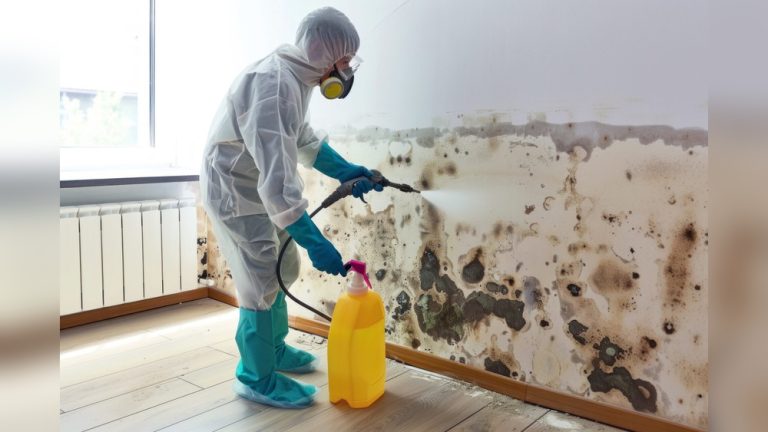
Attic Mold Remediation
Attic Mold Remediation in Tulsa, OKIf you’re searching for Attic Mold Remediation near me, you’re already doing the…
Learn MoreTulsa’s climate is hard on buildings. Humid summers, spring storms that roll off the plains, and flash flooding along the Arkansas River, Mingo Creek and Joe Creek put water where it shouldn’t be, and mold needs only a few days of damp to start. Older midtown homes on pier-and-beam foundations and crawl spaces, and newer slab homes in South Tulsa with tight, low-ventilation attics, both give it room to grow.
Vireo handles mold removal in Tulsa from the first mold inspection through removal and clearance testing. Every job starts by finding the moisture source, because mold that’s cleaned without fixing the water comes back.
A visual inspection, moisture meter readings and, where needed, thermal imaging trace where water is getting in. Air and surface mold testing confirms what’s present and gives a baseline, and leak source identification finds the cause.
The affected area is sealed with plastic sheeting and put under negative air pressure with HEPA air scrubbers, so spores don’t spread to clean rooms during work. See containment and air filtration.
Porous materials with growth, such as drywall, insulation and carpet pad, are cut out and bagged. Structural wood is cleaned, HEPA vacuumed and treated with an antimicrobial. Black mold removal follows the same containment rules.
Dehumidifiers and air movers bring materials back to normal moisture content, and indoor relative humidity is brought down, usually to below 50%. Drying and dehumidification and humidity control keep it from returning.
Post-remediation clearance testing confirms the area is back to normal before rebuilding. Our mold remediation timeline walks through each stage.
Tulsa neighborhoods including Brookside along Peoria Avenue and Riverside Drive near the Gathering Place, Midtown and the Pearl District, Downtown, Kendall-Whittier around the University of Tulsa, and South Tulsa and Tulsa Hills near Turkey Mountain, plus nearby Broken Arrow, Bixby, Jenks, Sand Springs, Owasso and Glenpool.
One call connects you with a local mold remediation team. They inspect, explain what they find and what the job involves, and quote the work before anything starts. Call (918) 871-3915.
Common indicators include persistent musty odors, visible dark spotting along drywall or baseboards, peeling paint, unexplained allergy flare-ups, and recent plumbing leaks or crawl space dampness.
We establish critical containment zones using heavy-duty plastic zip-wall barriers under continuous negative air pressure with HEPA-filtered air scrubbers to trap airborne spores and prevent cross-contamination into clean living spaces.
Most insurance policies provide coverage when mold growth results directly from a sudden, accidental water incident such as a burst supply line or water heater failure. Vireo supplies comprehensive photo logs, moisture readings, and itemized billing to assist with your insurance claim.
Typical residential remediation takes between 1 and 3 days depending on the size of the contaminated area, whether structural materials like drywall or flooring require removal, and how much drying and air filtration is necessary.
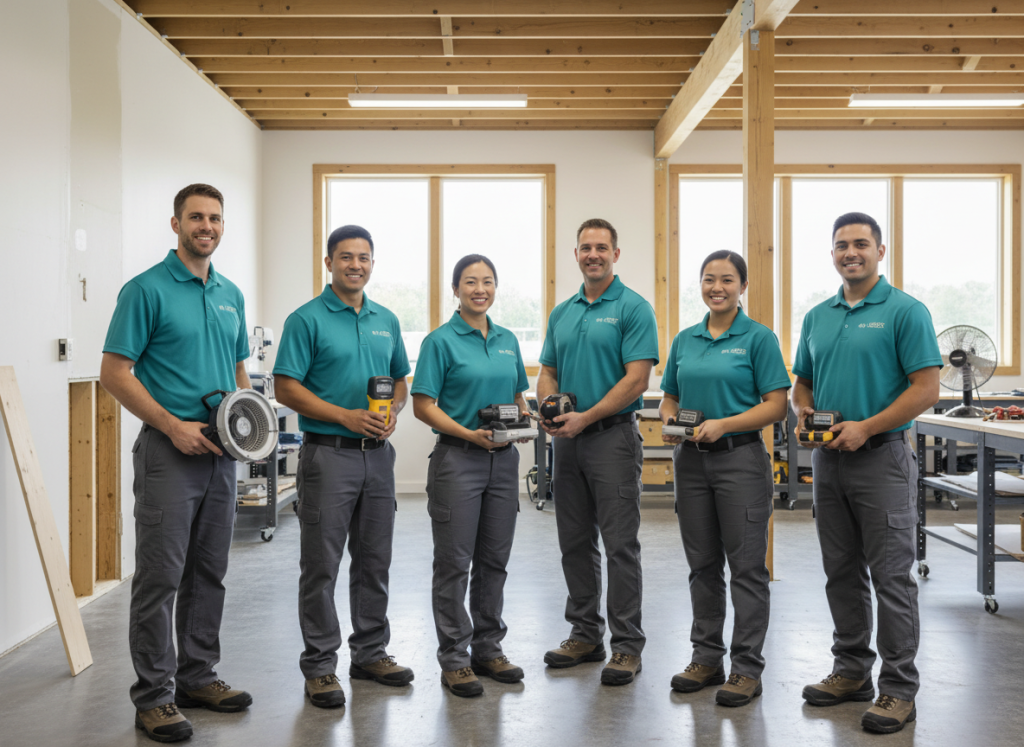
Vireo connects Tulsa homeowners and businesses with local mold remediation teams. Every job starts by finding the moisture source, then moves through containment, removal, drying and clearance testing.
Attic Mold Remediation in Tulsa, OKIf you’re searching for Attic Mold Remediation near me, you’re already doing the…
Learn More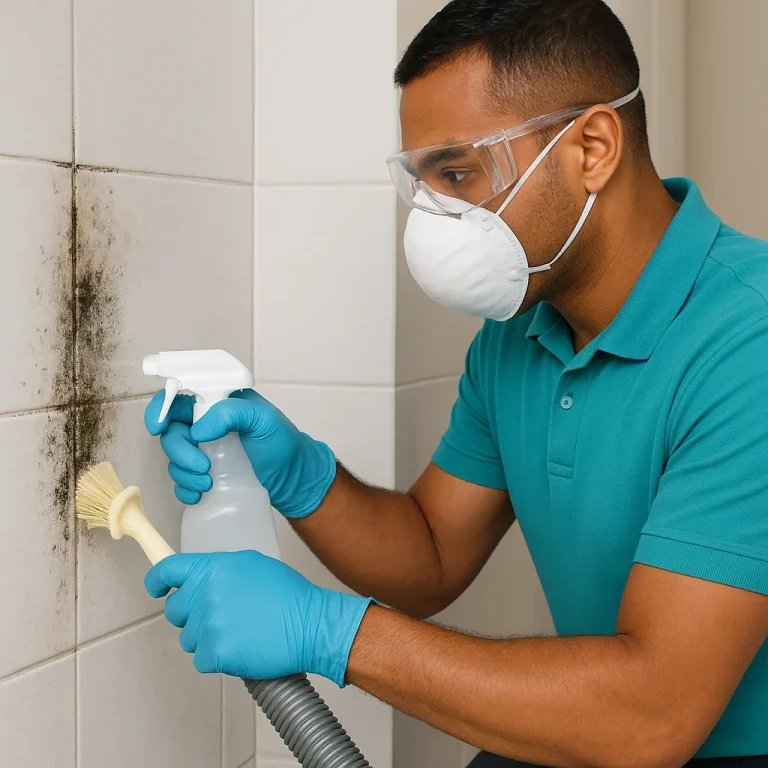
Basement Mold Removal in Tulsa, OK Tulsa basements sit in expansive clay soil that shifts with every wet-dry…
Learn More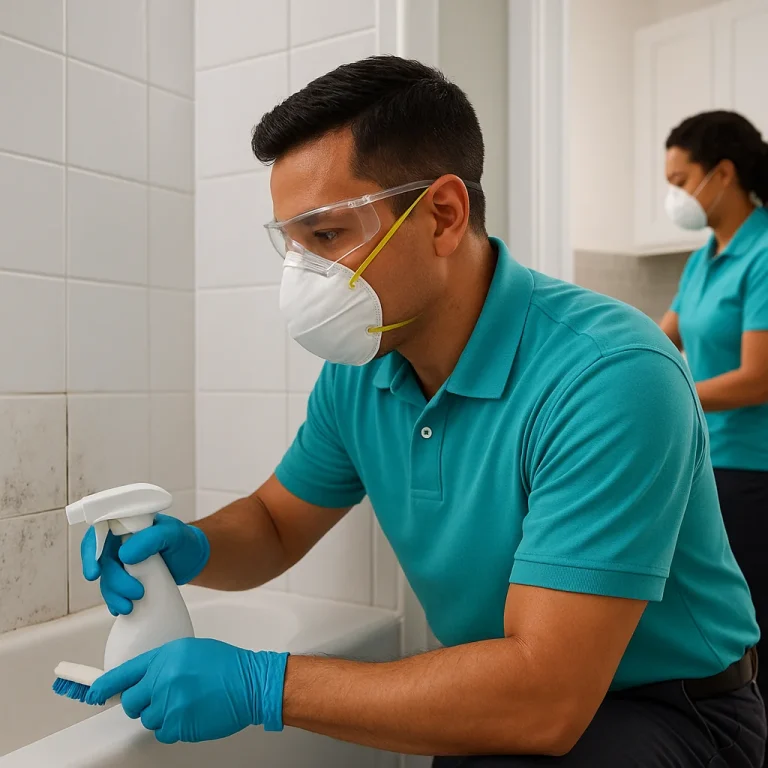
Bathroom and Kitchen Mold Treatment in Tulsa, OKIf you’re searching for Bathroom and Kitchen Mold Treatment in Tulsa,…
Learn MoreBlack Mold Removal in Tulsa, OK If you’re searching for Black Mold Removal in Tulsa, you need more…
Learn More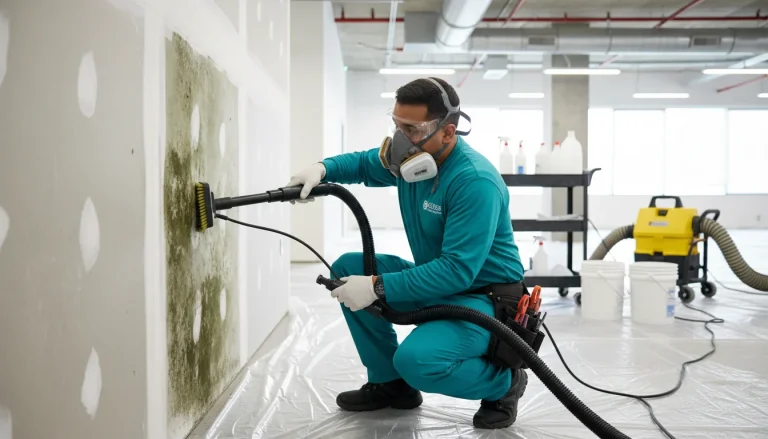
Carpet, Padding & Upholstery Mold Remediation in Tulsa, OKIf you’re searching for Carpet, Padding & Upholstery Mold Remediation…
Learn More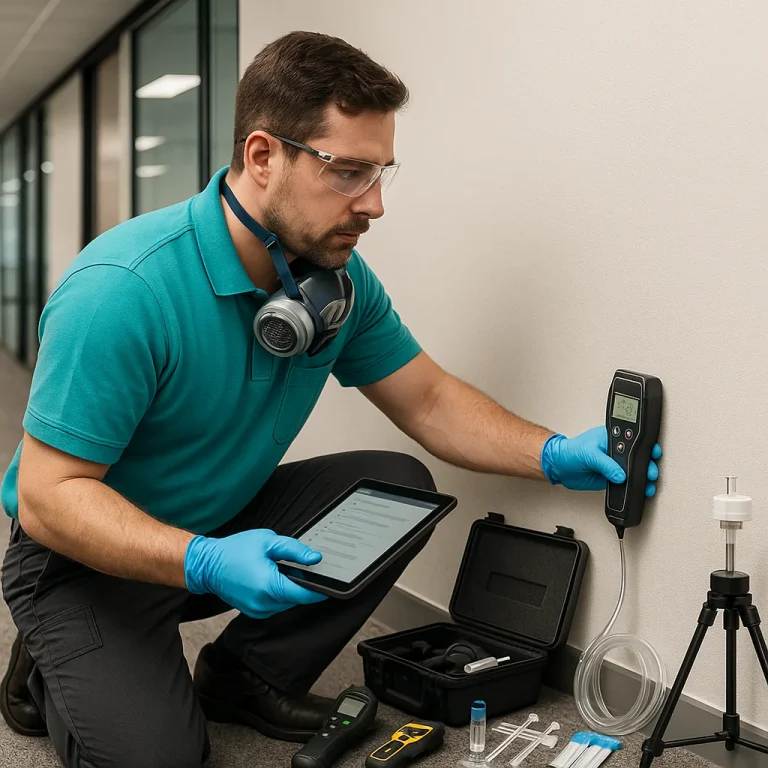
Commercial Mold Inspection & Risk Evaluation in Tulsa, OKWhen mold shows up in a commercial building, it’s rarely…
Learn More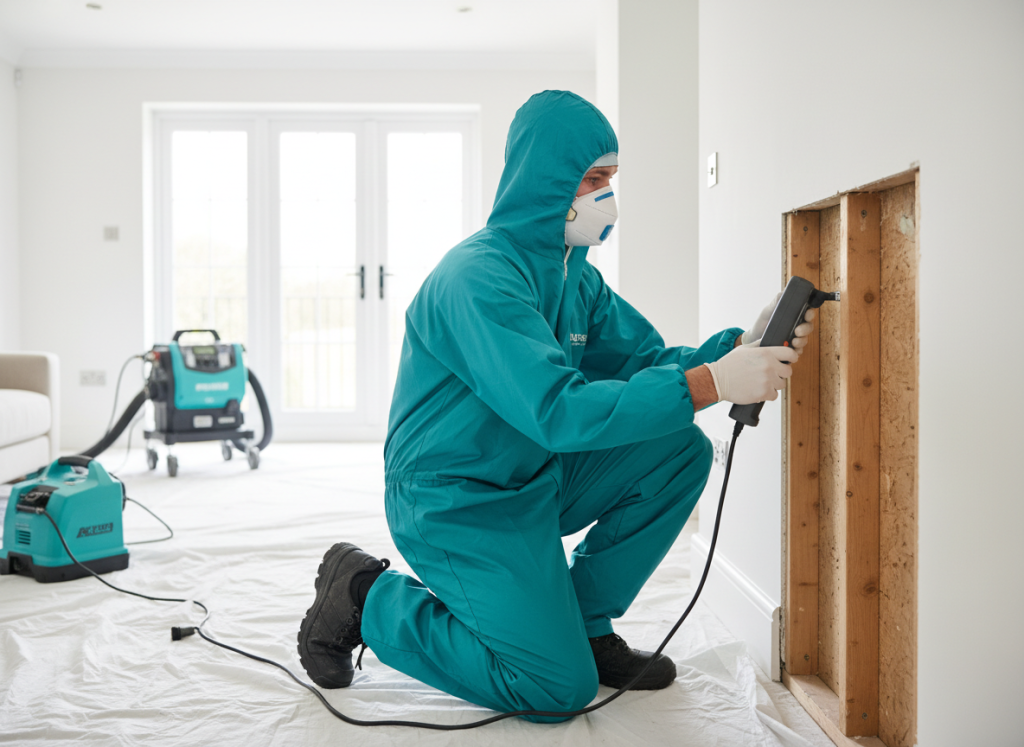
Every job starts by finding where the water is coming from.
Negative air and HEPA filtration keep spores out of clean rooms.
You get the inspection findings and the plan up front.
Crawl spaces, attics and storm damage typical of Tulsa homes.
Mold inspection, moisture mapping and air and surface testing
Containment with negative air and HEPA filtration
Removal of affected drywall, insulation and carpet pad
Drying, dehumidification and humidity control
Post-remediation clearance testing
Visible growth larger than about 10 square feet, a musty smell that keeps coming back, mold after water damage, or mold in HVAC ducts are all signs to have it inspected rather than cleaned yourself.
Any mold growing indoors should be removed, whatever its color. Color alone doesn't tell you the species; testing does. Removal follows the same containment steps either way.
Small areas can be done in a day or two. Larger jobs with drying and material removal usually take several days, plus clearance testing at the end.
It depends on the size of the affected area, the materials involved and whether water damage needs drying first. Call (918) 871-3915 for a quote on your property.
Not if the moisture source is fixed. That's why every job starts with finding the leak or humidity problem, and why humidity control is part of the plan.
Often only when the mold results from a sudden covered event, like a burst pipe, rather than long-term humidity. Check your policy; documentation from the inspection helps with a claim.
Usually yes for contained jobs in one area. For large jobs, or for people with asthma or allergies, it may be better to stay elsewhere until clearance.
Tulsa and nearby communities including Broken Arrow, Bixby, Jenks, Sand Springs, Owasso and Glenpool.
Fast local response across every community we cover.
Serving Tulsa County
We answer every enquiry — usually within the hour.