Mold Remediation Timeline in Tulsa Ok: What to Expect From Inspection to Clearance Explained
If you’ve discovered mold in your Tulsa home, you’re probably wondering how long the cleanup will take and what steps are involved. Knowing the mold remediation timeline can help you prepare and reduce stress.
From the initial inspection to the final clearance, each stage plays a key role in making your home safe again. You’ll learn exactly what to expect at every step, so you can feel confident and in control throughout the process.
Keep reading to find out how mold experts work and how soon you can breathe easy once more.
Credit: www.useanvil.com
Initial Mold Inspection
The initial mold inspection is the first step in the mold remediation process in Tulsa, OK. It helps identify the extent of mold growth and the areas affected. This inspection is important to protect your home and health. Understanding what to expect during this phase can ease your concerns and prepare you for the next steps.
Scheduling The Inspection
Schedule the inspection as soon as you suspect mold. Early action prevents further damage. Mold inspectors are often available within a day or two. Choose a time when you can be present. This allows you to discuss concerns and ask questions directly.
What Inspectors Look For
Inspectors search for visible mold and hidden mold spots. They check damp areas like basements, bathrooms, and kitchens. They look for water damage signs such as stains and warping. Inspectors also assess ventilation and humidity levels. Their goal is to find the mold source and affected materials.
Tools And Techniques Used
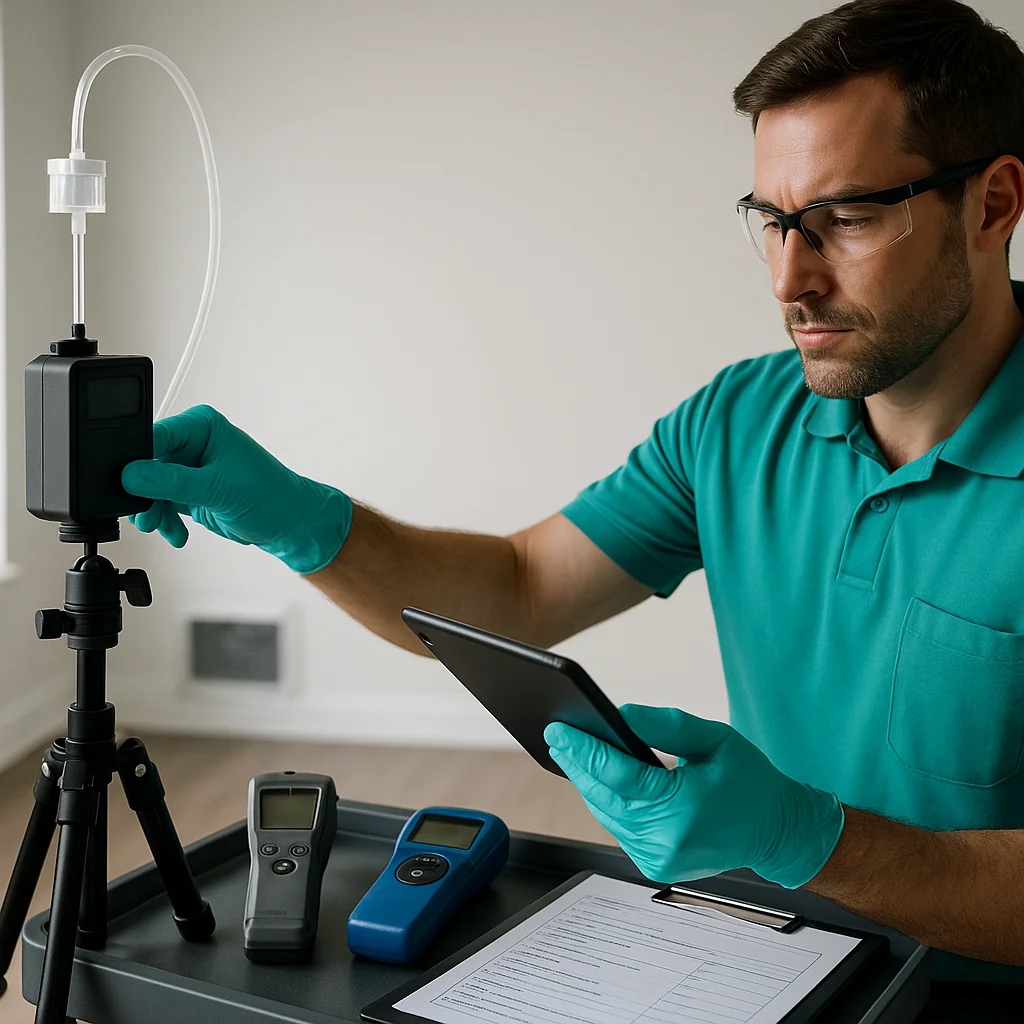
Inspectors use moisture meters to detect dampness in walls and floors. Thermal cameras reveal hidden water leaks behind surfaces. Air sampling tests measure mold spores in the air. Surface samples collect mold from visible spots. These tools help locate mold that may not be easy to see.
Mold Testing Procedures
Mold testing is a key step in mold remediation in Tulsa, OK. It helps identify the type and amount of mold present. This process guides the cleanup and ensures safety. Professionals use different testing methods to get accurate results.
Air Sampling Methods
Air sampling checks the air for mold spores. Specialists use special pumps to collect air samples. These samples show how many spores are floating inside your home. This method helps find hidden mold. It is useful in places that look clean but may have mold problems.
Surface Sampling Options
Surface sampling collects mold from walls, floors, or other areas. Experts use swabs or tape to gather mold. This test shows what type of mold is growing on surfaces. It helps confirm if visible spots are mold. Surface samples give clues about mold spread and damage.
Interpreting Test Results
Test results explain the mold type and spore count. Professionals compare these results with outdoor mold levels. This comparison shows if mold inside is a health risk. Results guide the cleaning plan and safety measures. Clear results mean mold cleanup is complete and safe.
Assessment And Remediation Plan
The assessment and remediation plan is the foundation of effective mold removal. Experts inspect your home carefully to understand the mold problem. This step ensures they know the type of mold and the damage level. It helps create a clear path for safe and thorough cleanup.
Every mold situation is unique. A detailed plan focuses on the specific needs of your home. This plan guides the entire remediation process. It ensures all mold is removed and your space is safe again.
Identifying Mold Types
Technicians collect samples from affected areas. They test these samples in a lab to find mold species. Different molds require different treatment methods. Knowing the mold type helps prevent future growth. It also protects your health during cleanup.
Determining Contamination Levels
Experts measure how much mold is present inside your home. They check hidden spaces like walls and vents. This step reveals the mold spread and severity. It defines how much work is needed to fix the problem. The goal is to remove all mold safely.
Creating A Customized Plan
Based on findings, specialists design a mold removal plan. It includes cleanup methods, tools, and safety steps. The plan also sets a timeline for each phase. This approach ensures the job is done right. Your home will be free from mold risks.
Mold Removal Process
The mold removal process in Tulsa, OK follows clear, important steps. It starts with limiting mold spread, then cleaning the affected areas. Finally, the cause of mold growth is fixed. Each step is key to a safe, mold-free home.
Containment Strategies
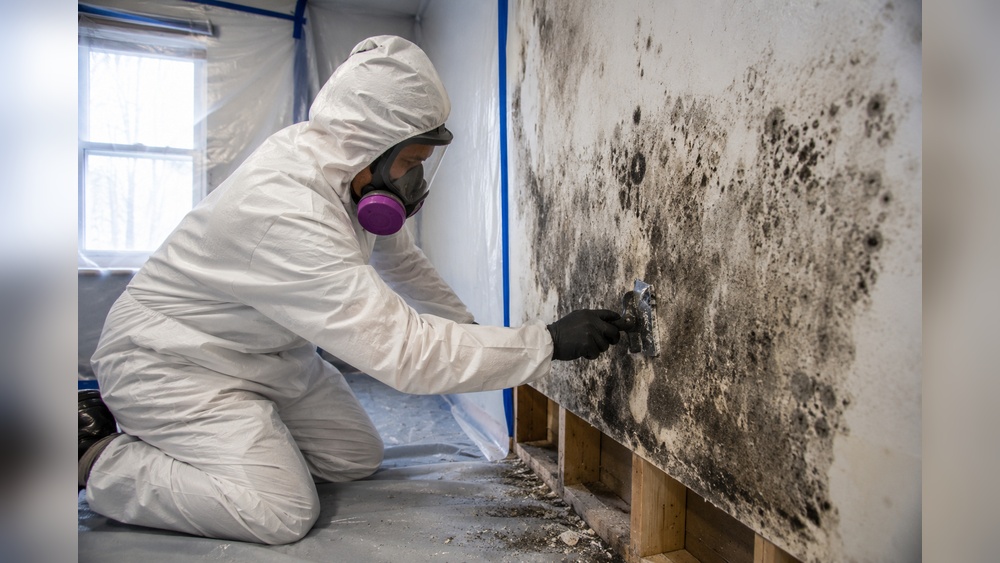
Containment stops mold from spreading during removal. Specialists use plastic sheets to seal off rooms. Air scrubbers filter spores from the air. Doors and vents are closed to keep mold contained. These steps protect other parts of the house.
Cleaning And Removal Techniques
Cleaning involves removing mold from surfaces safely. Hard surfaces are scrubbed with special solutions. Porous materials like drywall may be removed and discarded. HEPA vacuums collect mold dust and spores. Professionals wear protective gear to avoid health risks.
Addressing Moisture Issues
Fixing moisture problems prevents mold from returning. Experts check for leaks in pipes and roofs. They improve ventilation to reduce humidity. Drying machines remove excess moisture from walls and floors. Ongoing moisture control is critical to stop mold growth.
Post-remediation Cleaning
After mold remediation, thorough cleaning is essential to ensure a safe home. This step removes any leftover mold spores and dust. It also helps restore indoor air quality. The cleaning process uses special tools and methods. This guarantees your space is clean and healthy.
Hepa Vacuuming And Air Scrubbing
HEPA vacuuming picks up tiny mold spores from surfaces. It cleans walls, floors, and other areas carefully. Air scrubbers pull mold spores and dust from the air. They use filters to trap harmful particles. This step improves air quality inside your home.
Disinfecting Surfaces
After vacuuming, all surfaces get disinfected. This kills any mold left behind. Professionals use safe, effective cleaning solutions. They treat walls, floors, and furniture. This step prevents mold from growing again.
Odor Removal Methods
Mold often leaves a musty smell. Special odor removal methods help eliminate this. Air purifiers and ozone treatments break down bad smells. This makes your home smell fresh and clean. Removing odors improves your comfort and health.
Clearance Testing
Clearance testing is the final step in the mold remediation process. It confirms that all mold has been removed. This test ensures the indoor air is safe to breathe. It gives homeowners peace of mind. Professionals perform these tests with specialized tools. The results determine if the space is ready for normal use again.
Timing For Clearance Tests
Clearance tests happen after the remediation work finishes. The area must be completely dry before testing. Mold spores settle once cleaning ends. Testing too soon can give false results. Usually, clearance testing occurs within a few days after cleanup. This timing helps verify the space is safe.
What Clearance Testing Involves
Technicians take air and surface samples during clearance testing. They use devices to measure mold spore levels. Samples go to a lab for analysis. The lab compares results to normal indoor air standards. The goal is to find if mold spores remain. If levels are low, the space passes clearance.
Ensuring A Safe Environment
Clearance testing protects your health and property. It confirms mold spores no longer pose risks. Passing clearance means children and pets can safely return. It also prevents mold from spreading again. Professionals use results to recommend further cleaning if needed. This step ensures a clean, healthy home.
Typical Timeline Expectations
Understanding the typical timeline for mold remediation helps reduce stress. It shows what to expect from start to finish. The process involves several steps, each with its own time needs. Knowing these steps helps you plan better and stay informed.
Inspection Duration
The mold inspection usually takes one to three hours. Experts check all areas for visible and hidden mold. They also test the air and surfaces for spores. This step finds the mold type and how much damage exists.
Remediation Timeframe
Remediation can last from a few days up to two weeks. Small areas with light mold take less time. Large or severe infestations need more work and drying time. The team removes mold, cleans surfaces, and fixes moisture problems.
Factors Influencing Timeline
The timeline changes based on mold size and location. Water damage severity affects how long drying takes. The type of mold also matters; some need special handling. Weather and home structure can add extra time too.
Credit: promoldremovaltulsa.com
Choosing The Right Mold Remediation Service
Choosing the right mold remediation service is a key step in protecting your Tulsa home. The right team can remove mold safely and quickly. They help prevent future mold problems and keep your family healthy. Knowing what to check helps you pick a trustworthy company.
Certifications And Experience
Check if the company has proper certifications. Certified technicians follow strict safety and cleanup standards. Experience matters too. A company with years in mold remediation knows how to handle different situations. They understand Tulsa’s climate and common mold issues.
Customer Reviews And References
Read reviews from past customers. Honest feedback shows the company’s work quality. Ask for references to speak with former clients. Positive experiences and satisfied customers build trust. It shows the company delivers on promises.
Cost And Warranty Considerations
Compare quotes from several companies. Choose one with clear pricing and no hidden fees. Warranty coverage is important. A good warranty means the company stands behind its work. It offers peace of mind after the job is done.

Credit: www.spauldingdecon.com
Frequently Asked Questions
How Long Does Mold Inspection Take In Tulsa, Ok?
A typical mold inspection in Tulsa takes 1 to 3 hours. The duration depends on property size and moisture issues. Inspectors check visible mold and hidden areas. They also collect samples for lab analysis if needed.
What Is The Average Mold Remediation Timeline?
Mold remediation usually lasts 3 to 7 days. The timeline varies with mold extent and property size. It includes containment, removal, cleaning, and drying phases. Professionals ensure thorough work to prevent mold recurrence.
When Can I Re-enter My Home After Remediation?
You can re-enter once clearance testing confirms mold removal. This usually happens within a few days post-remediation. Clearance ensures air quality is safe and mold spores are eliminated. Always follow your remediation specialist’s advice.
What Does Mold Clearance Testing Involve?
Mold clearance testing measures airborne mold spore levels. It compares pre- and post-remediation samples to ensure safety. Professionals use air sampling and surface testing methods. Clearance confirms that mold remediation was successful.
Conclusion
Mold remediation in Tulsa, OK follows clear steps from start to finish. First comes inspection to find mold areas. Then, professionals remove mold safely and clean affected spots. After cleanup, they check to ensure mold is gone. This process usually takes days, depending on mold size.
Knowing the timeline helps you prepare and stay calm. You can protect your home and health better. Trust the experts to handle each step carefully. Mold won’t stay long with proper care. Stay informed and keep your space safe.